
An SMT machine most commonly refers to an automated pick-and-place machine that places surface-mount components at programmed locations on a printed circuit board (PCB). In broader manufacturing discussions, the plural term “SMT machines” or the collective term “SMT equipment” may refer to the different types of equipment used across an SMT production line.
The exact meaning depends on context. In equipment purchasing and supplier communication, “an SMT machine” usually means an SMT placement machine. When a factory discusses its “SMT machines,” it may be referring collectively to printers, placement systems, reflow ovens and inspection equipment.
What Is an SMT Machine?
An SMT machine is equipment used in Surface Mount Technology assembly. In its most common commercial use, the term describes a pick-and-place machine, also called an SMT placement machine, surface mounter or chip mounter.
The machine receives electronic components from feeders or other supported supply formats, picks them up with nozzles or suitable tools, checks their position and orientation, and places them at programmed PCB coordinates.
An SMT placement machine is not the same as a complete SMT production line. It performs one specific stage within a larger PCB assembly process.
What Does SMT Mean?
SMT stands for Surface Mount Technology. It is an electronics assembly method used to mount surface-mount components directly onto the surface of a PCB.
SMT describes a manufacturing technology and process. It is not a machine brand, manufacturer name or individual equipment model.
What Is the Difference Between SMT and SMD?
SMT and SMD are related terms, but they describe different things:
SMT — Surface Mount Technology: The manufacturing method used to assemble components onto a PCB.
SMD — Surface-Mount Device: A component designed for surface mounting on a PCB.
In simple terms, SMT is the process, while an SMD is a component designed for use in that process.
Why Can “SMT Machine” Have Different Meanings?
The term is used differently because SMT assembly requires several types of equipment. In a broad factory discussion, “SMT machines” may describe multiple machines across the production line. In an equipment enquiry, “an SMT machine” often means the pick-and-place machine specifically.
For example, a buyer requesting an SMT machine may be looking for placement equipment, while a factory discussing its SMT machines may be referring collectively to printers, placement systems, reflow ovens and inspection equipment.
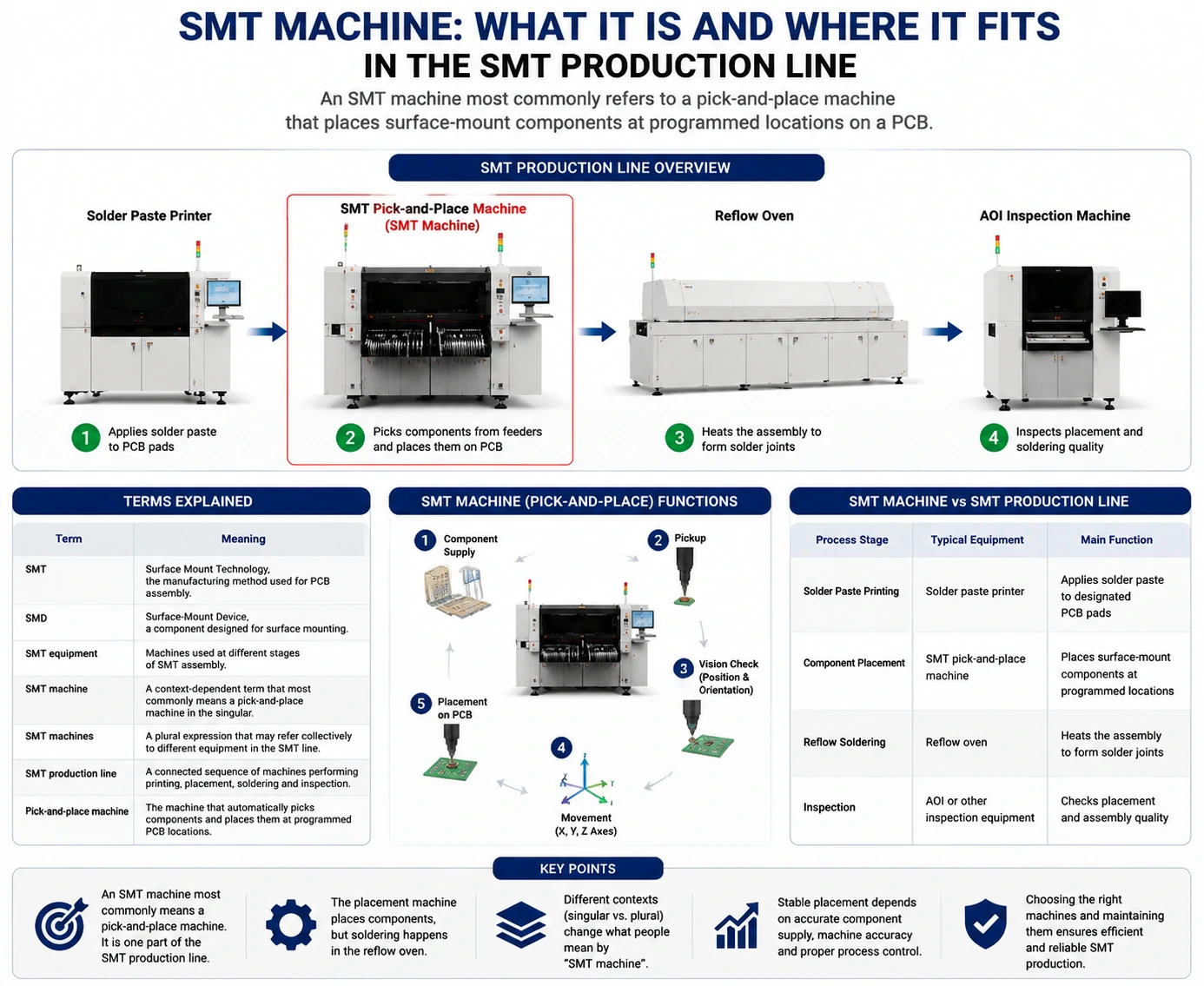
| Term | Meaning |
|---|---|
| SMT | Surface Mount Technology, the manufacturing method used for PCB assembly. |
| SMD | A component designed for surface mounting on a PCB. |
| SMT equipment | Machines used at different stages of SMT assembly. |
| SMT machine | A context-dependent term that most commonly means a placement machine when used in the singular. |
| SMT machines | A plural expression that may refer collectively to different equipment used across an SMT production line. |
| SMT production line | A connected sequence of machines performing printing, placement, soldering and inspection. |
| Pick-and-place machine | The machine that automatically picks components and places them at programmed PCB locations. |
SMT Machine vs SMT Production Line
A pick-and-place machine is one part of an SMT production line. It does not perform every stage of the PCB assembly process.
| Process Stage | Typical Equipment | Main Function |
|---|---|---|
| Solder Paste Printing | Solder paste printer | Applies solder paste to designated PCB pads. |
| Component Placement | SMT pick-and-place machine | Places surface-mount components at programmed locations. |
| Reflow Soldering | Reflow oven | Heats the assembly to form solder joints. |
| Inspection | AOI or other inspection equipment | Checks placement and assembly quality. |
The placement machine operates after solder paste printing and before reflow soldering. It places components onto the prepared PCB, but it does not permanently solder them in place. The solder joints are formed during the reflow stage.
What Does an SMT Pick-and-Place Machine Do?
An SMT pick-and-place machine automates the component-placement stage of PCB assembly. Its basic operation follows this relationship:
Component supply → Pickup → Position and orientation check → Movement → PCB placement
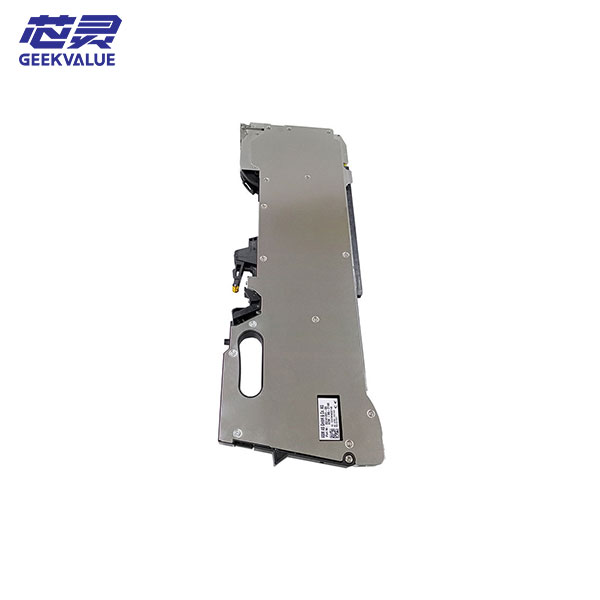
Components are supplied through feeders, trays or other supported formats.
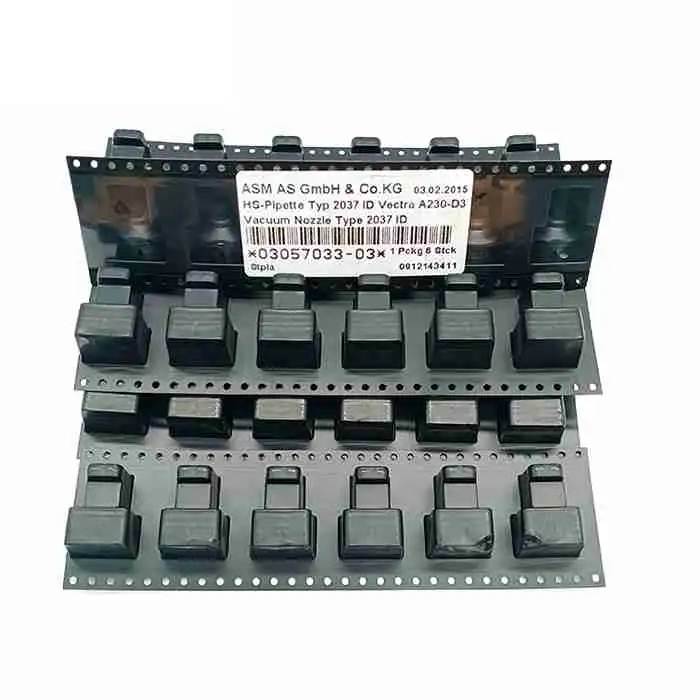
Nozzles or suitable pickup tools lift individual components.
A vision system checks component position and orientation.
The placement head and motion system move each component toward its programmed location.
The component is placed onto the prepared PCB.
This is a high-level overview of the machine’s role. Detailed feeder indexing, nozzle selection, vision calibration and placement optimization belong to more specialized technical resources.
Main Systems in an SMT Placement Machine
Several systems work together to support automated component placement:
| System | Basic Function |
|---|---|
| Feeder | Supplies components to the machine in a controlled position. |
| Nozzle | Picks up and releases components during placement. |
| Placement Head | Carries pickup tools and positions components on the PCB. |
| Vision System | Checks component position, orientation and alignment. |
| Motion System | Controls movement of the placement head and related mechanisms. |
| PCB Conveyor | Transfers and positions the PCB inside the machine. |
| Control Software | Coordinates machine programs, component data and placement operations. |
These systems form the functional foundation of a placement machine, but their internal designs, configurations and maintenance requirements vary by equipment platform.
How ASM/SIPLACE Systems Fit the SMT Machine Category
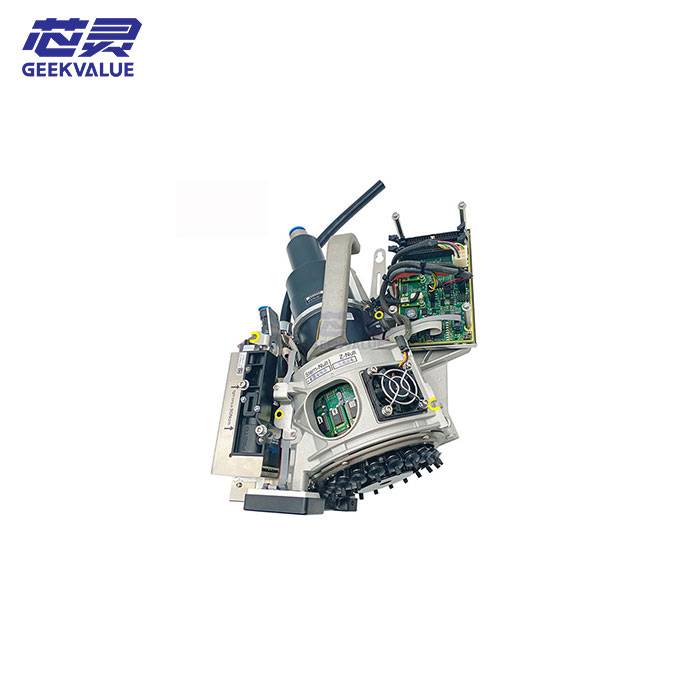
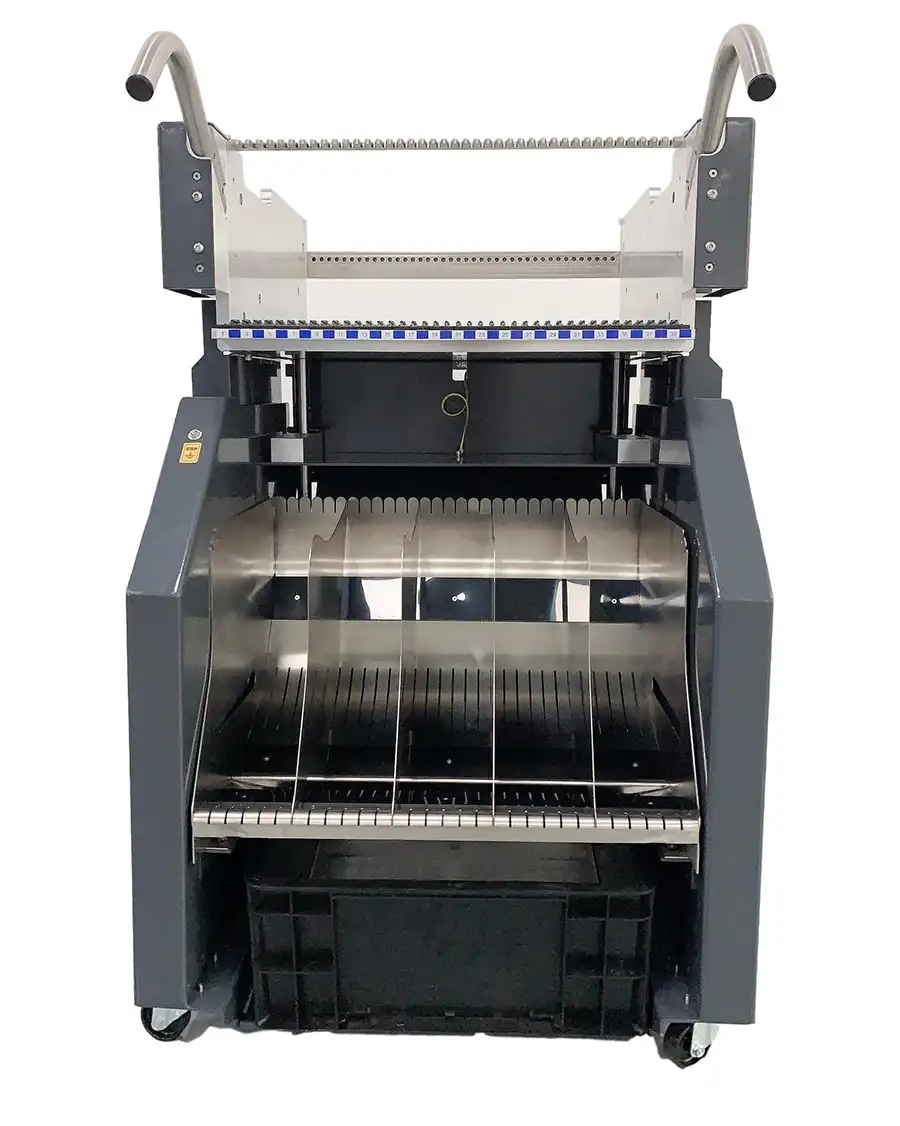
On this website, the SMT Machine category primarily refers to ASM/SIPLACE pick-and-place systems used for automated component placement.
These machines belong to the placement stage of an SMT production line. The category may include different generations of ASM/SIPLACE equipment depending on current availability, but this article does not compare individual models, specifications or production capabilities.
When evaluating a specific machine, the exact model, configuration, production requirements and equipment condition should be confirmed separately.
Explore available ASM/SIPLACE SMT placement machines to review equipment series, configurations and current product availability, or contact our team with the machine series and production requirements you are evaluating.
SMT Frequently Asked Questions
What is an SMT machine?
An SMT machine most commonly refers to an automated pick-and-place machine that places surface-mount components onto a PCB. In broader discussions, “SMT machines” may refer collectively to different equipment used during SMT assembly.
Is an SMT machine the same as a pick-and-place machine?
In many equipment-purchasing and supplier contexts, the terms are used interchangeably. However, the plural term “SMT machines” can have a broader meaning when it refers to multiple types of SMT equipment.
Is an SMT machine the same as an SMT production line?
No. An SMT production line normally includes separate equipment for solder paste printing, component placement, reflow soldering and inspection. The pick-and-place machine performs only the component-placement stage.
What is the difference between SMT and SMD?
SMT is the manufacturing technology used to assemble surface-mount components, while an SMD is a component designed for surface mounting.
Conclusion:Understanding “SMT machine” as both a common name for pick-and-place equipment and a broader contextual term helps buyers and engineers distinguish the placement stage from the complete SMT production line. This distinction also makes it easier to understand where ASM/SIPLACE placement systems fit within PCB assembly.